Stories
South Korea Stock Market Crashes 7.6 Percent Amid AI Fears and US Inflation Surge
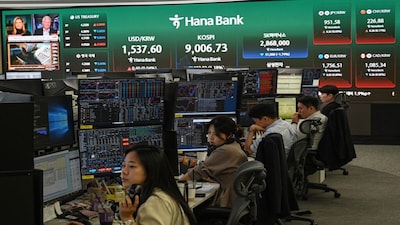
- •South Korea's benchmark KOSPI index plunged 7.57 per cent to 5,554.22, marking its lowest close since April 7 and triggering a 20-minute circuit breaker.
- •A sharp selloff in semiconductor giants saw Samsung Electronics drop 9.5 per cent and SK Hynix plummet 11.1 per cent.
- •US consumer price inflation rose 3.7 per cent in September, exceeding expectations and reviving fears of further Federal Reserve rate hikes.
- •Higher interest rates increase borrowing costs for capital-intensive artificial intelligence infrastructure, raising doubts about massive tech investments.
- •Foreign investors offloaded South Korean shares worth 3.6 trillion won, prompting financial authorities to hold an emergency meeting to review stability.
Key Questions Answered
The KOSPI index plunged 7.57 per cent due to a heavy selloff in semiconductor stocks over doubts about artificial intelligence investment returns, alongside persistent US inflation fears that revived rate-hike concerns and raised financing costs for AI infrastructure.
US consumer price inflation rose 3.7 per cent year on year in September, exceeding expectations and fueling worries that elevated inflation would limit the Federal Reserve's ability to ease monetary policy. Higher interest rates increase borrowing costs and reduce the present value of expected future earnings, heavily weighing on capital-intensive technology and AI infrastructure sectors.
Samsung Electronics shares fell 9.5 per cent and SK Hynix plunged 11.1 per cent, leading a wider market decline that prompted an automatic 20-minute trading suspension via a circuit breaker. Additionally, foreign investors were net sellers of South Korean shares worth 3.6 trillion won, equivalent to about $2.68 billion.