Stories
Launch Capacity India's Biggest Space Ecosystem Gap, Says Astrobase CEO
- •Neeraj Khandelwal, CEO of Astrobase Space Technologies, identifies launch capacity as the primary bottleneck in India's expanding space ecosystem.
- •India's private space industry is rapidly growing, with 440 registered startups by August 2026 and the space economy projected to reach $40-45 billion.
- •Astrobase is developing the EVEREST engine and aims for its first orbital launch by December 2028, focusing on reliability and manufacturing scalability.
- •India is expanding its launch infrastructure with new pads and a second rocket launch site at Kulasekarapattinam, while ISRO develops advanced reusable technologies.
- •Funding, manufacturing, and capital-intensive infrastructure remain key challenges for private companies transitioning from prototypes to commercial launch businesses.
Key Questions Answered
According to Neeraj Khandelwal, CEO and co-founder of Astrobase Space Technologies, the biggest gap in India's space ecosystem is launch capacity. As the country manufactures more satellites and space applications, it requires significantly greater payload capability to transport items into orbit.
Astrobase is currently targeting its first orbital launch by December 2028. As part of this program, the company is developing EVEREST, an 800 kN-class LOX-methane staged-combustion engine.
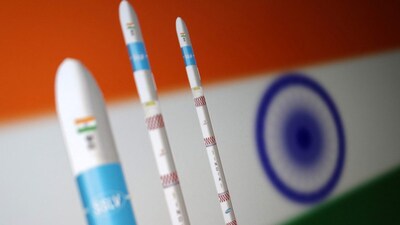
Skyroot Aerospace's Vikram-1 achieved a major milestone in July by becoming India's first privately developed orbital launch vehicle to successfully reach orbit. The mission carried customer payloads and technology demonstrations from both domestic and international partners.