Stories
Indonesia Halal Rules May Raise Compliance Burden For Indian Exporters Says GTRI
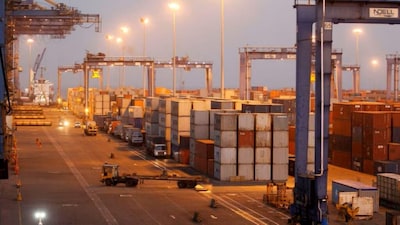
- •Indonesia's mandatory halal-certification requirements coming into effect this month may significantly increase compliance burdens for Indian exporters.
- •The regulations under the Halal Product Assurance regime apply to imported food and beverages, cosmetics, traditional medicines, health supplements, and certain medical devices.
- •Key Indian exports affected include frozen boneless buffalo meat, processed foods, agricultural products, active pharmaceutical ingredients, cosmetics, and chemicals.
- •Exporters can no longer rely on self-declarations and must obtain certification through accredited Halal Certification Bodies recognized by BPJPH while registering on the SIHALAL portal.
- •Failure to complete certification or pre-shipment verification could result in customs delays, border rejections, or product recalls, according to GTRI Founder Ajay Srivastava.
Key Questions Answered
The mandatory halal certification applies to imported food and beverages, cosmetics, traditional medicines, health supplements, and certain medical devices. This significantly impacts major Indian exports like frozen boneless buffalo meat, processed foods, agricultural products, active pharmaceutical ingredients, and chemicals.
Failure to complete certification or pre-shipment verification can result in customs delays, border rejections, or product recalls when goods arrive in Indonesia.
Indian manufacturers must obtain certification through accredited Halal Certification Bodies with Mutual Recognition Agreements with BPJPH, register required details on the SIHALAL portal, and establish full raw material traceability. They must also prevent contamination during production, storage, and transportation while introducing pre-shipment audit procedures in India.