Stories
France and Germany Forge Pact to Counter Chinese EV Surge in Europe
- •France and Germany have agreed on a joint plan to protect Europe's automotive industry through local manufacturing requirements and flexible carbon-emission targets.
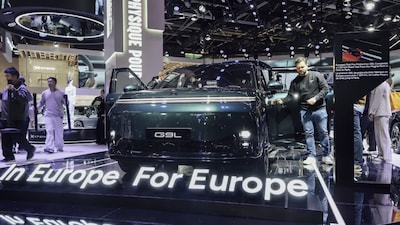
- •The proposed Made in Europe framework links public support and procurement benefits to local production across the EU and potentially qualified partners like Britain.
- •The Franco-German deal aims to ease upcoming EU vehicle-emissions requirements by setting the reduction target at 90 percent without extra compensatory measures.
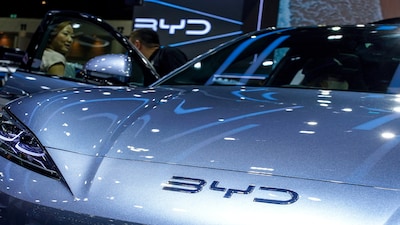
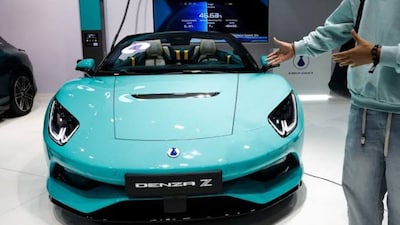
- •Chinese automakers are increasingly targeting Europe's premium car market with advanced technology and intelligent luxury models as domestic sales slow down.
Key Questions Answered
France and Germany agreed on a joint plan to strengthen Europe's automotive industry through local manufacturing requirements and flexible carbon-emission targets. The deal aims to ensure the transition to electric vehicles supports European production, investment, and jobs while responding to increased competition from Chinese automakers.
The proposal suggests that the framework cover all 27 EU member states while allowing other European partners, including Britain, to qualify under specified conditions. Specifically, the UK would need to meet requirements regarding reciprocity and alignment with EU investment and trade-protection measures.
The Franco-German plan seeks to ease the EU's planned 2035 vehicle-emissions requirements by setting the reduction target at 90% from 2021 levels. Unlike the existing European Commission proposal, this plan would not require carmakers to address the remaining gap to 100% through additional compensatory measures like low-carbon steel or alternative fuels.