Stories
Former NITI Aayog CEO Slams New CAFE Norms as "Backward Looking" and "Missed Opportunity"
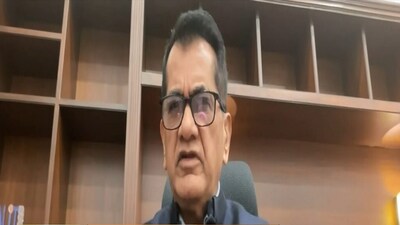
- •Former NITI Aayog CEO Amitabh Kant criticized the new CAFE-3 norms for passenger vehicles, calling them "backward-looking at worst" and "status quoist at best," lacking vision for the future.
- •Kant argued that India missed an opportunity to technologically leapfrog, similar to UPI and smartphones, stating the regulation follows industry instead of leading it towards EVs.
- •He emphasized that India cannot win the future of mobility by protecting the past, especially given high oil imports and growing EV manufacturing capacity.
- •Kant highlighted that the norms target 11% electric cars by 2032, despite EVs already nearing 8% of car sales this financial year, questioning the Bureau of Energy Efficiency's role as a market player.
- •The new norms cover various passenger vehicles, offering manufacturers flexibility in adopting cleaner technologies, but eliminated a proposed concession for lightweight petrol cars.
Key Questions Answered
Former NITI Aayog CEO Amitabh Kant criticized the new CAFE-3 passenger vehicle norms as backward-looking, status quoist, and lacking a clear future roadmap. He noted that the regulations follow the industry instead of leading it, and target just 11 percent electric cars by 2032 when EVs are already nearing 8 percent of sales this financial year. Kant also objected to the Bureau of Energy Efficiency selling credits, arguing that a regulator cannot act as a market player.
The final CAFE-3 norms eliminated the initial concession proposed in the draft regulations for lightweight petrol cars under 909 kg to keep them affordable. Additionally, the revised target line has been flattened to offer a more balanced, weight-sensitive approach with softer targets for lighter vehicles and higher efficiency requirements for heavier models. The reference weight also increased by about 13.6 percent from 1,082 kg to 1,229 kg.
The new CAFE regulations broadly cover passenger cars, including hatchbacks, sedans, special utility vehicles, and MPVs with a seating capacity of up to eight passengers excluding the driver. According to the Ministry of Power statement, these standards apply to all new passenger vehicles manufactured or imported for sale within India.