Stories
57th GST Council Meeting: Businesses Anticipate Major Reforms and Relief
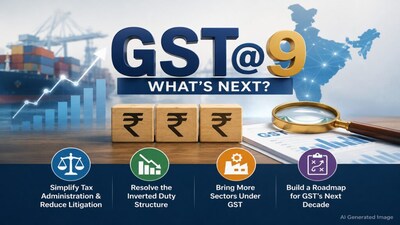
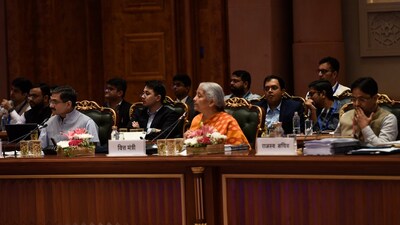
- •The 57th GST Council Meeting, scheduled for October 7, 2026, is highly anticipated, marking nearly a decade since GST's introduction and a year since the last meeting.
- •Key proposals include allowing inter-company transfer of unused Input Tax Credit (ITC) and exempting intra-group financial guarantees from GST, aiming to unlock liquidity and provide working capital relief.
- •The Council is expected to address blocked ITC, employee-related business expenses, and accelerate refund processes for exporters and manufacturers, alongside exploring deeper automation for ITC eligibility.
- •Rate rationalization remains a critical unfinished agenda, with expectations for comprehensive reforms to simplify the rate structure, reduce compliance burdens, and address inverted duty structures.
- •Discussions will also cover promoting uniformity in audits across states, expanding the GST net to include electricity and natural gas, and strengthening dispute resolution mechanisms, including a review of the GST Appellate Tribunal's functioning.
Key Questions Answered
The GST Council is expected to consider allowing companies within the same corporate group to transfer unused Input Tax Credit (ITC) to unlock liquidity, along with exempting certain intra-group financial guarantees from GST. Discussions are also anticipated regarding blocked ITC, employee-related business expenses, and faster refund processes to provide working capital relief for exporters and manufacturers.
Large companies operating across multiple states currently face parallel scrutiny and conflicting views from various State and Central GST authorities. To resolve this, the Council is expected to consider measures promoting consistency in assessments, inter-departmental coordination, and the uniform application of GST laws nationwide to reduce taxpayer burdens.
The meeting is expected to address comprehensive rate rationalization to resolve the unfinished agenda around inverted duty structures, where higher taxes on raw materials than final products cause ITC accumulation and block working capital. Sectors such as pharmaceuticals, textiles, and electric vehicles frequently encounter these credit build-ups, prompting potential structural fixes and process reforms.