Stories
Developing Economies Left Without Clear Answers Amid Rising Global Risks
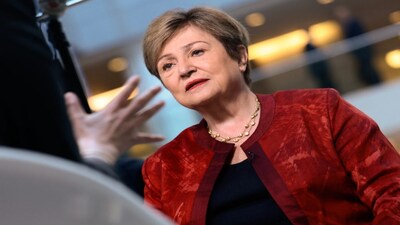
- •Recent meetings of the International Monetary Fund and World Bank provided few concrete solutions for developing economies facing mounting debt, wars, and AI uncertainties.
- •Average debt service payments in developing economies have more than doubled over the past decade to 14 per cent of government revenue, limiting funds for healthcare and education.
- •Experts noted that international financial institutions missed an opportunity to offer practical support and a clear roadmap for navigating the new phase of economic uncertainty.
- •Deepening geopolitical divisions, including a walkout during Russia's finance minister's speech, complicated international policy coordination.
- •Economists warned that standard fiscal discipline and structural reforms will not suffice if they fail to address rising inequality and poverty.
Key Questions Answered
Average debt service payments in developing economies have more than doubled over the past decade to reach 14 per cent of government revenue. This heavy burden leaves governments with significantly fewer financial resources to support vital public priorities like healthcare and education.
Geopolitical divisions severely disrupted cooperation at the International Monetary Fund steering committee meeting, where nearly half of the delegates walked out while Russia's finance minister spoke. These ongoing tensions have complicated collaboration within international financial institutions since Russia's invasion of Ukraine in 2022.
Economists have warned that standard fiscal discipline and structural reforms are insufficient if they fail to generate inclusive growth. Rising inequality and deepening poverty can severely increase long-term social and economic costs, proving that true economic resilience requires broad-based benefits rather than advantages restricted to wealthy groups.