Stories
Tata Sons Omits Article 118 in N Chandrasekaran Reappointment Filing Amid Trusts Dispute
- •Tata Sons dropped the reference to Article 118 in its recent statutory filing for the reappointment of executive chairman N Chandrasekaran.
- •The new resolution for Chandrasekaran's third term spanning February 2027 to February 2032 cites only the general Articles of Association and Section 196 of the Companies Act.
- •This marks a change from the 2022 resolution, which explicitly cited Article 105 and Article 118 governing chairman selection.
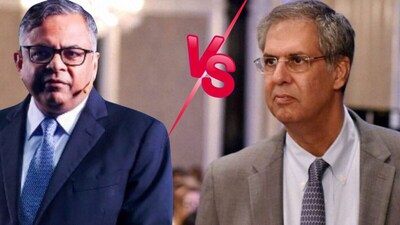
- •Tata Trusts chairman Noel Tata opposed the reappointment, arguing that Article 118 procedures should have been followed.
- •Tata Sons maintains that Article 118 applies only to the initial appointment of a new chairman and not to the reappointment of an incumbent.
Key Questions Answered
Tata Sons' new statutory filing for N Chandrasekaran's third term omitted specific article references, stating he was reappointed pursuant to the general Articles of Association rather than citing Article 118, which governs the selection and removal process of a chairman. Tata Sons argued that Article 118 applies only to first-time appointments rather than incumbent reappointments, a stance challenged by majority shareholder Tata Trusts.
The Tata Sons board approved N Chandrasekaran's reappointment as executive chairman with substantial management powers for a 5-year term running from February 21, 2027, to February 20, 2032. The board resolution was passed on September 17 by a 4 to 1 vote, though it faced internal dissent from Tata Trusts chairman Noel Tata.
Tata Trusts, holding about 66% of Tata Sons, argues that the reappointment is invalid because it bypassed required selection committee procedures and special voting provisions under the Articles of Association. Conversely, Tata Sons defends the resolution's validity by citing supporting legal opinions from former Supreme Court judges stating that extension rules differ from initial appointment protocols.