Stories
Bikaji Foods Faces Margin Squeeze as Input Costs Soar, Eyes Western Snacks Growth
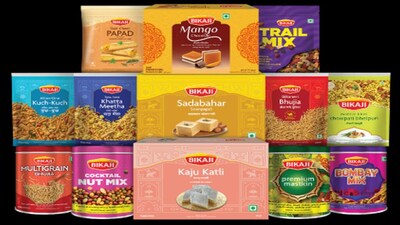
- •Bikaji Foods International anticipates a 100-150 basis point contraction in full-year profit margins due to elevated raw material costs, including surging edible oil and crude-linked packaging expenses.
- •Despite margin pressure, the company maintains its guidance for mid-teens topline growth and 10-11% volume growth, driven by robust festive demand and strong e-commerce sales.
- •Demand is accelerating ahead of Diwali, with snacking showing high-teens growth and sweets gaining traction on quick commerce platforms.
- •The export business faces significant headwinds from geopolitical challenges, container shortages, and a fourfold increase in freight costs.
- •Bikaji Foods is aggressively targeting the Western snacks category, projecting it to grow 1.5 times faster than traditional snacks and account for 11-12% of overall business within two years.
Key Questions Answered
Bikaji Foods expects its full-year profit margins to contract by 100 to 150 basis points because the company is absorbing a portion of elevated raw material costs. Raw material inflation is at 6 to 7% year-on-year due to surging edible oil and crude-linked packaging costs, and the company has only been able to pass on 4.5 to 5% of these price increases to consumers.
Bikaji Foods has maintained its guidance for mid-teens topline growth, while volume growth is expected to be around 10-11%. This positive outlook is supported by robust festive demand and strong growth across e-commerce sales.
Bikaji Foods is aggressively targeting the Western snacks category as a major expansion opportunity since traditional ethnic snacks remain its core. Chief Operating Officer Manoj Verma expects the Western segment to grow 1.5 times faster than traditional snacks and account for 11 to 12% of the overall business within two years.