Stories
Airlines Resist Forced Shift of International Flights to Navi Mumbai Airport
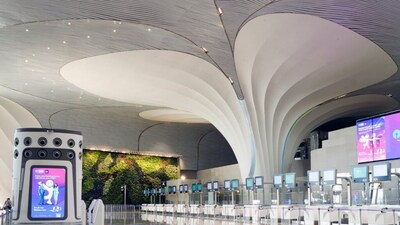
- •Airlines, through IATA, are opposing a mandatory transfer of international flights from Mumbai Airport's Terminal 2 to the new Navi Mumbai Airport.
- •IATA insists any shift should be voluntary, based on commercial and operational viability for individual airlines, and raises concerns about existing operations and historic slot rights.
- •Airlines seek clarity on the full operating ecosystem at Navi Mumbai Airport before any relocation and oppose capacity reduction at Mumbai Airport to force a shift.
- •Mumbai International Airport Ltd (MIAL) states the redevelopment of Terminal 1 cannot be delayed and offers airlines two options from October 25: move to Navi Mumbai or suspend operations until T1 reopens in 2029-30.
- •The dispute centers on whether the transition should be voluntary (airlines' stance) or mandated due to Mumbai Airport's T1 redevelopment (MIAL's stance).
Key Questions Answered
Airlines and the International Air Transport Association (IATA) are resisting a mandatory transfer because they want the move to be voluntary and based on commercial and operational viability. They have raised concerns regarding potential disruptions to flight schedules, aircraft utilisation, passenger connectivity, historic slot rights, and a lack of adequate consultation by Mumbai Airport.
Mumbai International Airport Ltd (MIAL) states that the redevelopment of Terminal 1 cannot be delayed further and requires parts of current operations to be relocated. With Navi Mumbai Airport operational, MIAL has given airlines options to either move their operations there or temporarily suspend them until the redeveloped T1 is commissioned in 2029-30, while assuring that historic slot rights will be retained.
MIAL has stated that airlines will face options to move their operations to Navi Mumbai or suspend them starting from October 25. Meanwhile, Adani Airports CEO Arun Bansal noted that MIAL plans to begin the phased shutdown of T1 from January 2027, with the first one-third of the terminal capacity going offline.