Stories
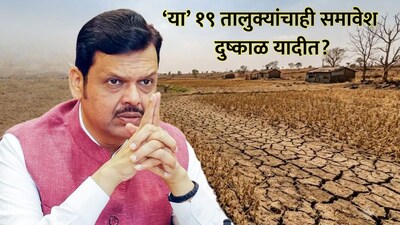
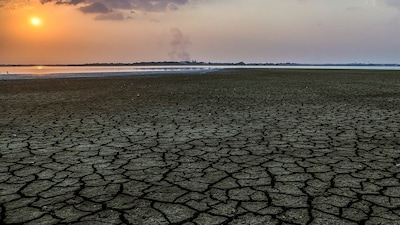
Maharashtra Expands Drought Assessment to 19 More Talukas Amid Public Demand

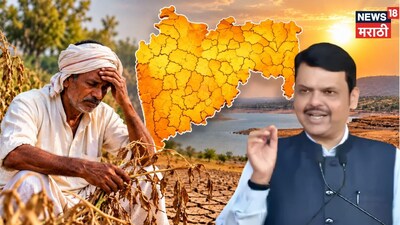
- •Maharashtra government ordered 20% survey and ground truthing of five major crops in 19 additional talukas, beyond the 265 already declared drought-affected, following demands from public representatives.
- •The Cabinet Sub-Committee on drought directed officials to submit survey reports immediately and gather local-level information on other high-severity talukas outside the Trigger-1 list.
- •Key directives include completing crop damage assessments, ensuring adequate fodder for livestock, uninterrupted drinking water supply, and timely assistance to farmers and citizens.
- •Nationalized banks were instructed to implement RBI guidelines, while private and cooperative banks were asked to avoid coercive loan recovery in drought-affected areas.
- •The Animal Husbandry Department was tasked with ensuring fodder availability, studying alternatives to fodder camps, and examining a silo management system for fodder transport within 15 days.
Key Questions Answered
The Maharashtra government ordered surveys in 19 additional talukas, including Mudkhed, Mukhed, and Ardhapur in Nanded; Jiwati, Bramhapuri, and Ballarpur in Chandrapur; Amgaon, Deori, Salekasa, and Gondia in Gondia; Karanja in Wardha; Mohadi and Tumsar in Bhandara; Trimbakeshwar, Chandwad, and Niphad in Nashik; Patan in Satara; and Shirala and Walwa in Sangli.
Nationalized banks were directed to implement Reserve Bank of India guidelines according to the government's resolution. Additionally, the Cooperation Department was instructed to ensure that private banks and district central cooperative banks do not coercively recover loans from people in drought-affected areas.
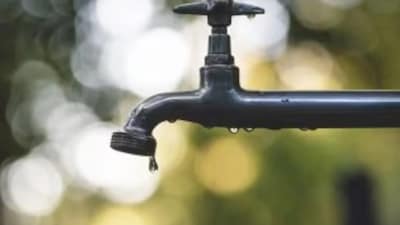
Officials were directed to ensure an uninterrupted drinking water supply and review preparations to deal with water scarcity in severely affected areas. In situations where large-capacity tankers face difficulties reaching villages, authorities were instructed to use smaller tankers for water distribution.