Stories
CJI Surya Kant: AI Can Assist Courts, But Judges' Acumen Remains Irreplaceable

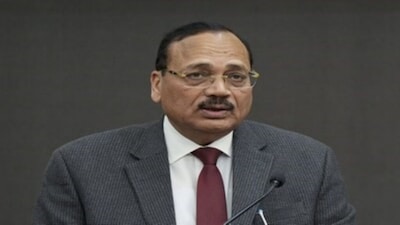
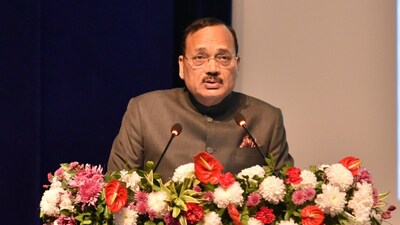
- •Chief Justice of India Surya Kant emphasized that technology must expand access to justice but cannot replace judicial acumen or decision-making.
- •Speaking at the 7th Congress of the Association of Asian Constitutional Courts in Uzbekistan, CJI Kant highlighted India's digital judicial transformation, including e-filing, virtual hearings, and live-streaming.
- •The Supreme Court conducted over 7.5 lakh video conferencing hearings between March 2020 and June 2024, demonstrating the critical role of digital infrastructure during the pandemic.
- •India has developed AI-assisted tools like SUVAS for translating judgments into 18 Indian languages and Su-Sahayak, an AI chatbot for court information.
- •CJI Kant stressed the principle of "human primacy" in the Supreme Court's draft regulations on AI use, affirming that AI supplements but never replaces judicial decision-making.
Key Questions Answered
The Supreme Court has developed SUVAS, an AI-assisted tool used to translate judgments into Indian languages, and Su-Sahayak, a chatbot on its website that helps citizens access case status, cause lists, and orders. Additionally, the 'One Case, One Data' initiative integrates case information across judiciary levels to cut duplication and delays.
Released in June 2026, the Supreme Court's draft regulations on artificial intelligence are governed strictly by the principle of 'human primacy'. This ensures that while AI can assist with research and processes, judicial decision-making and acumen must always remain with human judges.
Chief Justice Surya Kant stated that while technology should be harnessed to expand access to justice and assist with court processes, artificial intelligence can never replace judicial acumen or decision-making. He emphasized that the final responsibility of adjudication must always remain firmly with human judges.